Heat & Hydration
Heat is the deadliest hazard in the Arizona backcountry — but most heat emergencies are preventable, and you don't need medical training to help. The whole plan fits in one breath: drink to thirst, watch for confusion, and if someone gets confused or collapses in the heat — call 911 and cool them fast.
Heat illness — the essentials.
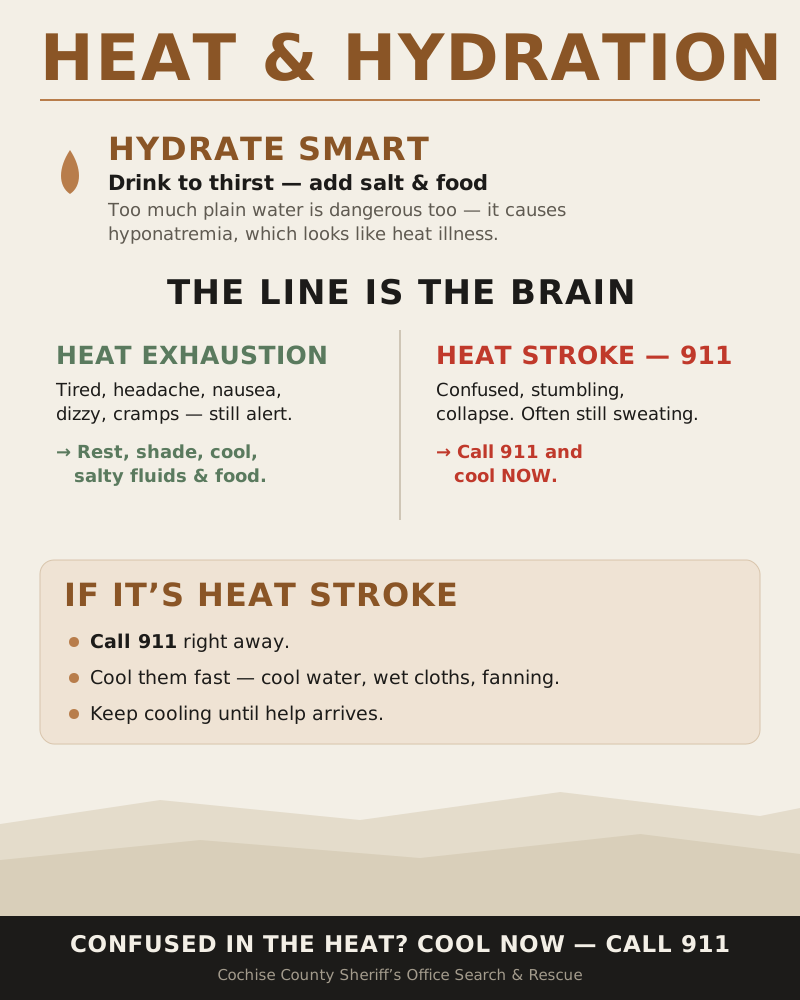
Drink to thirst, watch for confusion, and cool fast. The desert-heat basics, at a glance — screenshot it and share it before you head out.
Hydrate smart · Pace · Cool
Drink to thirst — with salt
Let thirst be your guide — you don't need to force water on a clock. Pair fluids with salty snacks and real food, not just plain water (drinking too much water can be dangerous too). Carry plenty for the day, since our trails have no reliable water.
Beat the heat of the day
Start at first light, rest in shade through the hottest hours, and slow down as it heats up — pushing hard in the heat is what turns trouble into an emergency. Give yourself a week or two to get used to desert heat, and turn around early on triple-digit days.
Stay ahead of the heat
Wet a shirt or hat, take shade breaks before you're wiped out, and wear loose, light, long sleeves and a wide brim. Cooling off a little and often is far easier than recovering once you're overheated.
Heat exhaustion vs. heat stroke
The difference that matters is the brain. If someone is still thinking clearly, it's probably heat exhaustion. If they're confused, treat it as an emergency.
Heat exhaustion
Heavy sweating, tiredness, headache, nausea, dizziness, and cramps — but the person is still alert and making sense. Stop, get to shade, rest, cool off, and take fluids with salt and food. They should feel better within an hour. If they don't — or get confused — treat it as heat stroke.
Heat stroke
Confusion, slurred speech, stumbling, strange behavior, or collapse in the heat. The skin is often still sweaty — don't wait for "hot and dry." This is life-threatening. Call 911 and start cooling right away.
What to do
You can't fix heat stroke in the field, but cooling someone fast while help is on the way makes all the difference. You don't need any special gear.
- Call 911 right away. Tell them where you are and that someone is overheated and confused.
- Get them into shade and cool them fast — pour or spray cool water over them, drape wet cloths, and fan. The faster they cool, the better.
- Keep cooling until they improve or help arrives. Don't stop early.
- Don't force a confused person to drink — they could choke. Focus on cooling and let the responders handle the rest.
When in doubt, cool and call 911
Heat stroke gets worse by the minute, and help can be a long way out across our terrain. If someone is confused or collapses in the heat, start cooling immediately and call 911 — sooner is always better. There is never a charge for a rescue.